Buying pre-owned gold is one of the smartest moves a jewelry shopper can make — but only when you know what to look for. The pre-owned market is full of genuine value, from solid 14K estate rings to vintage gold chains that have held their worth for decades. At the same time, it is also a space where uninformed buyers can overpay, get misled about purity, or end up with gold-plated pieces passed off as solid gold. Whether you are shopping for yourself or as a gift, knowing how to buy used gold jewelry puts you in control.
At Emerald Jewelers in Salem, NH, we work with customers every day who want the beauty and lasting value of gold without paying new retail prices. This guide walks you through exactly what to check, what questions to ask, and how to make sure every dollar you spend goes toward real, lasting quality.
Why Buying Used Gold Jewelry Is Worth Considering
Pre-owned gold jewelry consistently offers two advantages that new pieces cannot match: lower prices and retained intrinsic value. Unlike new retail jewelry, second-hand gold does not carry steep markups for brand marketing or in-store overhead. A solid 14K gold ring that retails for $800 may be available pre-owned for $400 to $500 — the same metal, the same purity, at a fraction of the cost.
Beyond price, gold is one of the few materials that genuinely holds value over time. The metal itself does not degrade, and as long as a piece is solid gold rather than plated, it retains its worth regardless of how old it is. Pre-owned gold jewelry is also a more sustainable choice, supporting the circular economy by extending the life of existing pieces rather than driving demand for newly mined metal.
Estate jewelry and vintage pieces often carry unique craftsmanship that simply is not available in modern collections — hand-engraved settings, intricate filigree work, and styles from past decades that are now considered collectible.
How to Verify Gold Purity Before You Buy
The single most important step when buying used gold is verifying what you are actually getting. Gold purity is measured in karats (K), and every legitimate piece of solid gold jewelry should carry a hallmark stamped into the metal. Here is what the most common markings mean:
• 10K: 41.7% pure gold. Durable and affordable, the most common for everyday jewelry in the US.
• 14K: 58.3% pure gold. The most popular choice for fine jewelry — strong and valuable.
• 18K: 75% pure gold. Higher purity, richer color, often found in estate and European pieces.
• 24K: 99.9% pure gold. Rarely used in wearable jewelry due to softness.
The Federal Trade Commission’s Jewelry Guides (16 CFR Part 23) require that any gold item stamped with a karat mark must also carry the manufacturer’s registered trademark. If you are examining a piece and only see a karat stamp with no maker’s mark, treat that as a red flag worth investigating further.
Beyond hallmarks, a reputable jeweler can perform a professional acid test or XRF scan to confirm purity. Never rely on appearance alone — gold-plated and gold-filled pieces can look identical to solid gold to the untrained eye.
What to Physically Inspect on a Pre-Owned Gold Piece
Once you have confirmed the metal purity, take a close look at the physical condition of the piece. Used jewelry will naturally show some wear — and that is fine — but there are specific things to check so you know what you are buying and whether any repairs will be needed.
Clasps and Closures
Check that clasps, hinges, and snap closures open and close securely. On bracelets and necklaces, worn-out clasps are one of the most common repair needs. Factor the cost of replacement into your decision if the clasp feels loose or does not lock properly.
Prongs and Stone Settings
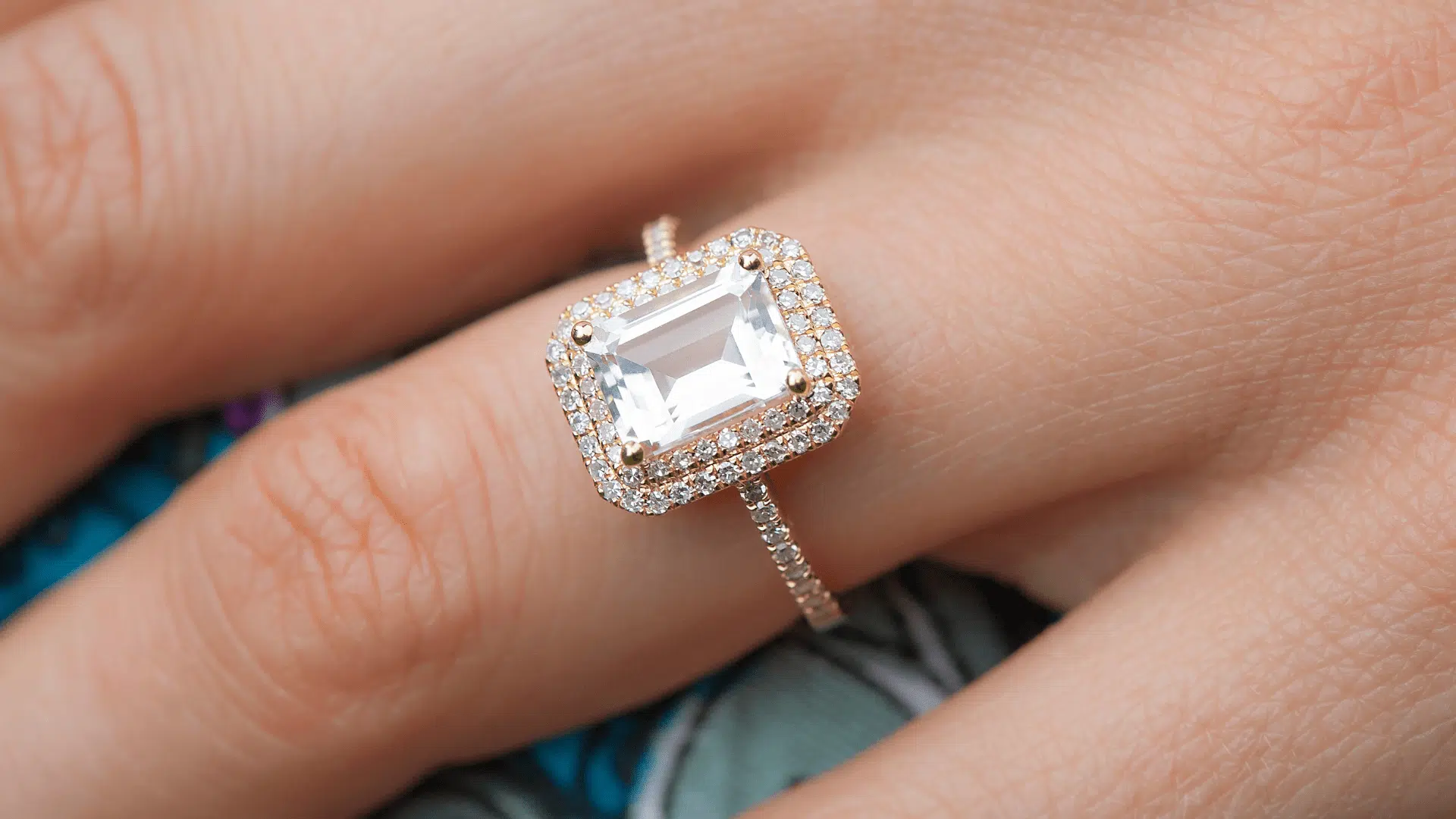
If the piece includes gemstones, inspect each prong under magnification if possible. Bent, worn, or missing prongs can lead to stone loss shortly after purchase. Ask the jeweler whether the piece has been inspected and whether prong re-tipping is needed.
Surface Condition
Light scratches on gold are normal and can typically be polished out. Deep gouges, cracks, or bent shanks on rings are more serious concerns. Look for any discoloration that might suggest the piece has been repaired with lower-karat solder or that the surface plating is wearing through on what was sold as solid gold.
Chain Link Integrity
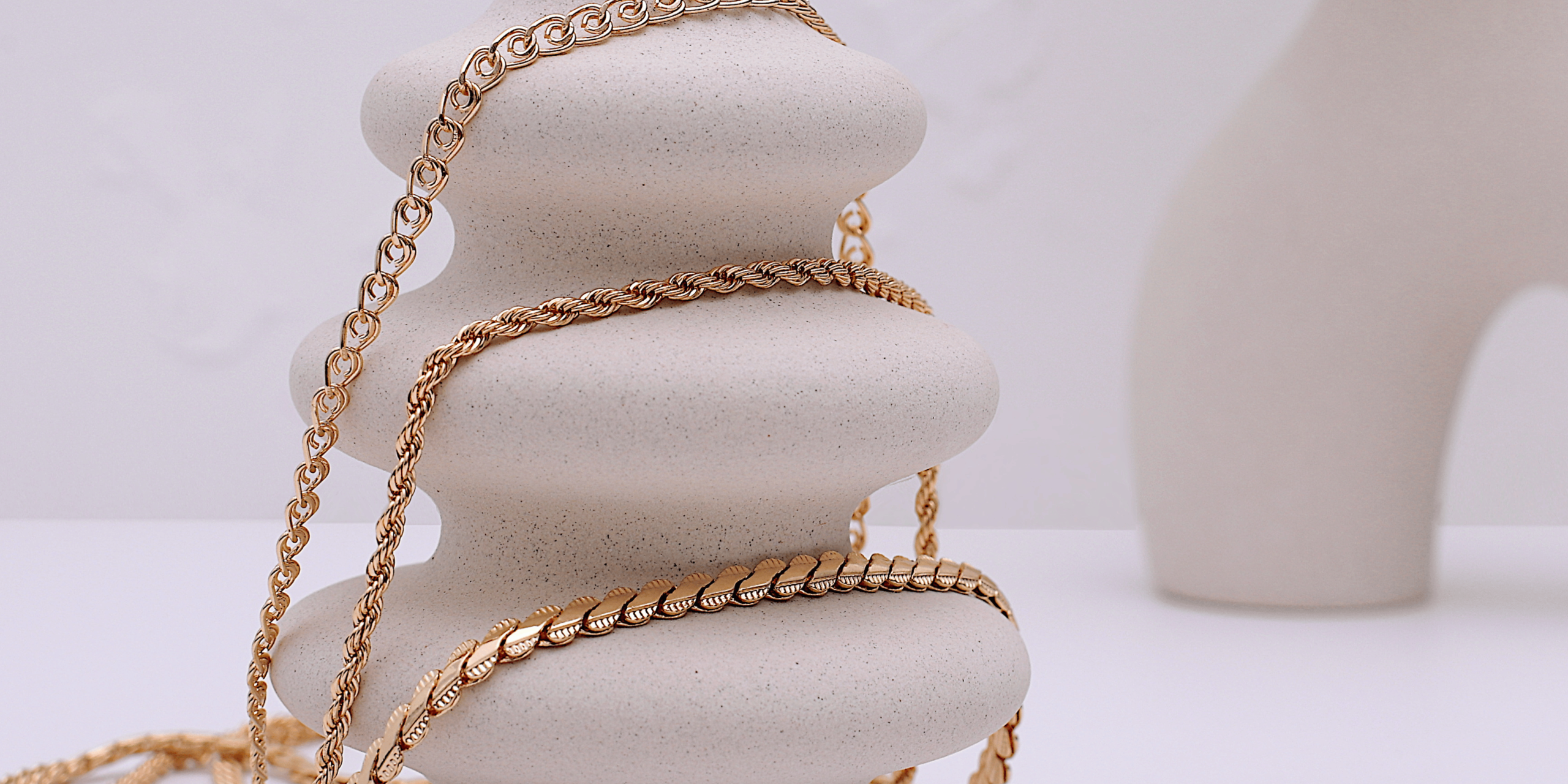
For gold chains, flex the chain gently along its full length. Look for any links that appear stretched, bent open, or repaired with mismatched metal. A weak link in a chain will eventually fail, so knowing where any repairs are upfront lets you budget accordingly.
Where to Buy Used Gold Jewelry Safely
Where you buy is just as important as what you buy. Your source directly affects your ability to verify authenticity, negotiate with confidence, and get recourse if something is not right.
• Local reputable jewelers: A certified local jeweler offers professional inspection, clear hallmark verification, and the ability to examine pieces in person before committing. This is the safest and most reliable route for most buyers.
• Estate sales and auctions: These events can surface genuine estate pieces and antique gold at fair prices. Always bring a loupe or ask for a professional inspection before buying high-value items.
• Pawn shops: Pawn shops can carry quality gold pieces at below-market prices, but quality varies widely. Always verify purity independently before buying from a pawn shop.
• Online marketplaces: Platforms like eBay and Etsy carry a range of pre-owned gold. Stick to sellers with strong verified reviews, detailed photos, and clear return policies. Request hallmark photos before purchasing.
At Emerald Jewelers, located in 55 Central St Unit B, Salem, NH 03079, our team inspects and authenticates every pre-owned gold piece we carry. Customers can shop with confidence knowing that purity has been verified and any condition issues are clearly disclosed.
How to Get Fair Value When Buying Pre-Owned Gold
Understanding pricing gives you the leverage to negotiate fairly and avoid overpaying. Gold value is tied to two things: the spot price of gold and the craftsmanship or rarity of the piece.
Check the live gold spot price before you shop — this is the current market value of pure gold per troy ounce and is publicly available. From there, calculate the melt value of the piece based on its weight and karat. For example, a 10-gram 14K gold bracelet contains roughly 5.83 grams of pure gold. At current spot prices, that gives you a baseline.
A fair price for pre-owned gold jewelry will typically be above melt value — because you are also paying for craftsmanship — but should still sit well below the new retail price for a comparable piece. If a seller is pricing pre-owned gold at or near new retail, you are not getting the value that the pre-owned market is supposed to offer.
Always ask: Has this piece been appraised? Does it come with any documentation? Is the price negotiable? A transparent seller will welcome these questions. A seller who deflects them is a red flag.
Start Shopping Smarter
Buying pre-owned gold jewelry rewards informed buyers with real quality at genuinely better prices. Verify purity through hallmarks and professional testing, inspect the physical condition carefully, understand how pricing works against the spot market, and always buy from a source you trust. The pre-owned gold market offers lasting value — solid metal that does not depreciate the way fashion jewelry does. Visit Emerald Jewelers or browse online website— where every pre-owned gold piece is verified, disclosed, and priced fairly.
Frequently Asked Questions
Is it safe to buy used gold jewelry?
Yes, as long as you buy from a reputable source and verify purity through hallmarks or professional testing. Buying from a certified local jeweler is the lowest-risk option because they inspect and authenticate pieces before sale.
What is the difference between solid gold, gold-filled, and gold-plated jewelry?
Solid gold is made entirely of a gold alloy (10K, 14K, 18K, etc.) and holds its value. Gold-filled has a thick mechanical bonding of gold over a base metal — more durable than plated but still not solid gold. Gold-plated has only a very thin electroplated layer of gold over base metal and carries minimal resale value. When buying used gold, always confirm you are getting solid karat gold unless the lower price reflects the plated nature of the piece.
Can I negotiate the price on pre-owned gold jewelry?
In most cases, yes. Pre-owned gold pricing is more flexible than new retail. Come prepared with the current gold spot price, the estimated weight of the piece, and an understanding of its karat. This gives you a factual foundation for a fair negotiation.
Should I get a pre-owned gold piece appraised before buying?
For higher-value purchases — anything above a few hundred dollars — a professional appraisal is worth the cost. An appraisal confirms karat purity, estimated replacement value, and any notable condition issues. Many reputable jewelers will appraise a piece for you as part of the purchase process.